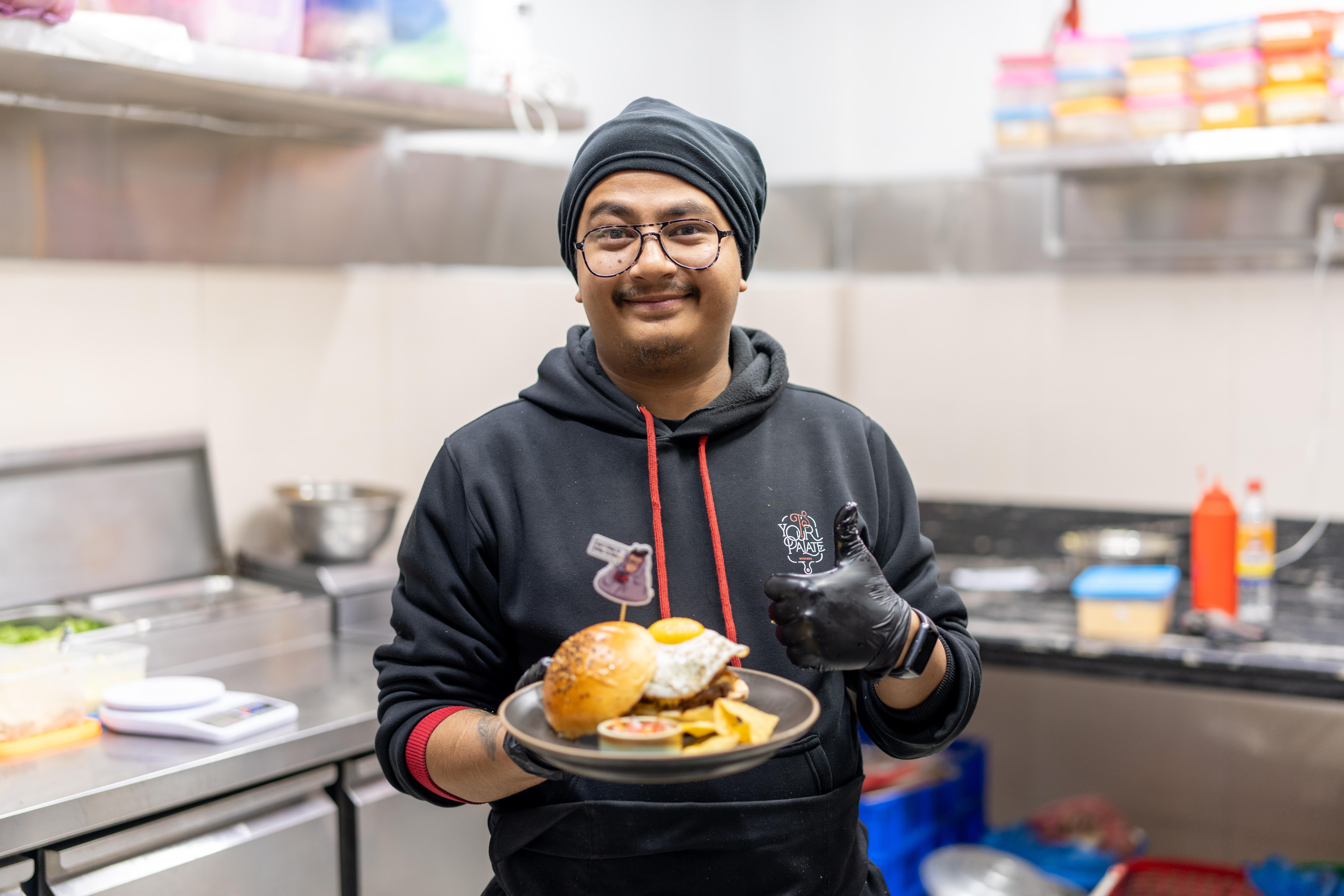
In a professional kitchen, you learn quickly that things rarely go exactly as planned. Orders pile up, customers change their minds, and sometimes, no matter how carefully you work — something still goes wrong. But there's one shift I'll never forget. Not because it was my best day, but because it was nearly my worst. It was the day a single burger order pushed me to my breaking point and taught me the most important lesson of my career.
Hi, I'm Rabi. I've been working in kitchens for years now, and I've learned to handle pressure pretty well. But there was one day that tested me more than any other.
That day started like any other busy shift. Orders were coming in fast, the kitchen was loud, and everyone was moving quickly. Then a table placed their order. It wasn't a simple burger. They wanted changes — not this, not that. Almost everything was altered.
That's completely fine. Customers should get what they want, and we're always happy to accommodate. But that day, the kitchen was already running at full speed, and this order required extra focus.
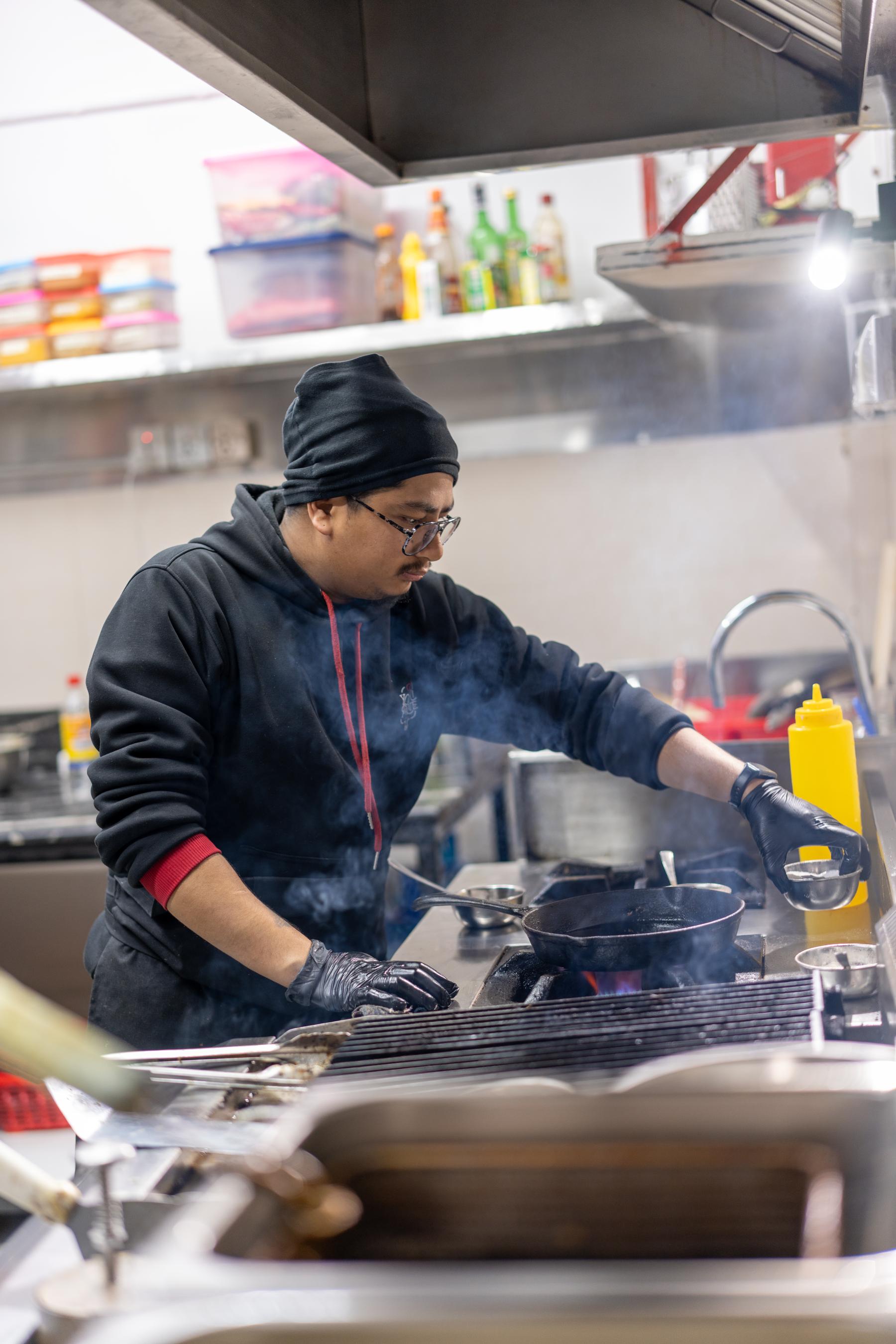
I made the burger carefully and sent it out.
A few minutes later, it came back.
Something was wrong, they said.
I took a deep breath and made it again, checking every detail. I told myself, "This time it will be right." I sent it out again.
It came back a second time.
By then, the kitchen was already under pressure. Other orders were waiting. My head felt hot. My hands were shaking. I felt angry, embarrassed, and frustrated all at once. For a moment, I wanted to scream. I wanted to throw the pan. I felt like everything was going wrong in front of everyone.
I couldn't handle it anymore.
So I stopped.
I went and sat in the corner of the kitchen. I didn't touch any food. I didn't speak. I just sat there, angry and tired. That's when I noticed something that made me feel worse than the failed burger.
The other helping chefs didn't know what to do without me. They were just standing there, looking confused. The kitchen had gone quiet.
That silence hit me harder than the customers' complaints.
I realized something in that moment: if I give up, everyone else is stuck too. The kitchen doesn't stop because I'm frustrated. The orders don't disappear because I'm angry. The team is watching, waiting, and depending on me to lead — even when I don't feel like it.
So I stood up.
I forced a smile. I made a small joke. I told them, "Okay, let's try again." Even though I was still angry inside, I didn't show it. I washed my hands, checked the order again, and started cooking from zero.
This time, I worked slowly and clearly. I followed every change exactly as written. I didn't rush. I didn't argue with the ticket. I just cooked.
When the burger went out again, the kitchen waited.
It didn't come back.
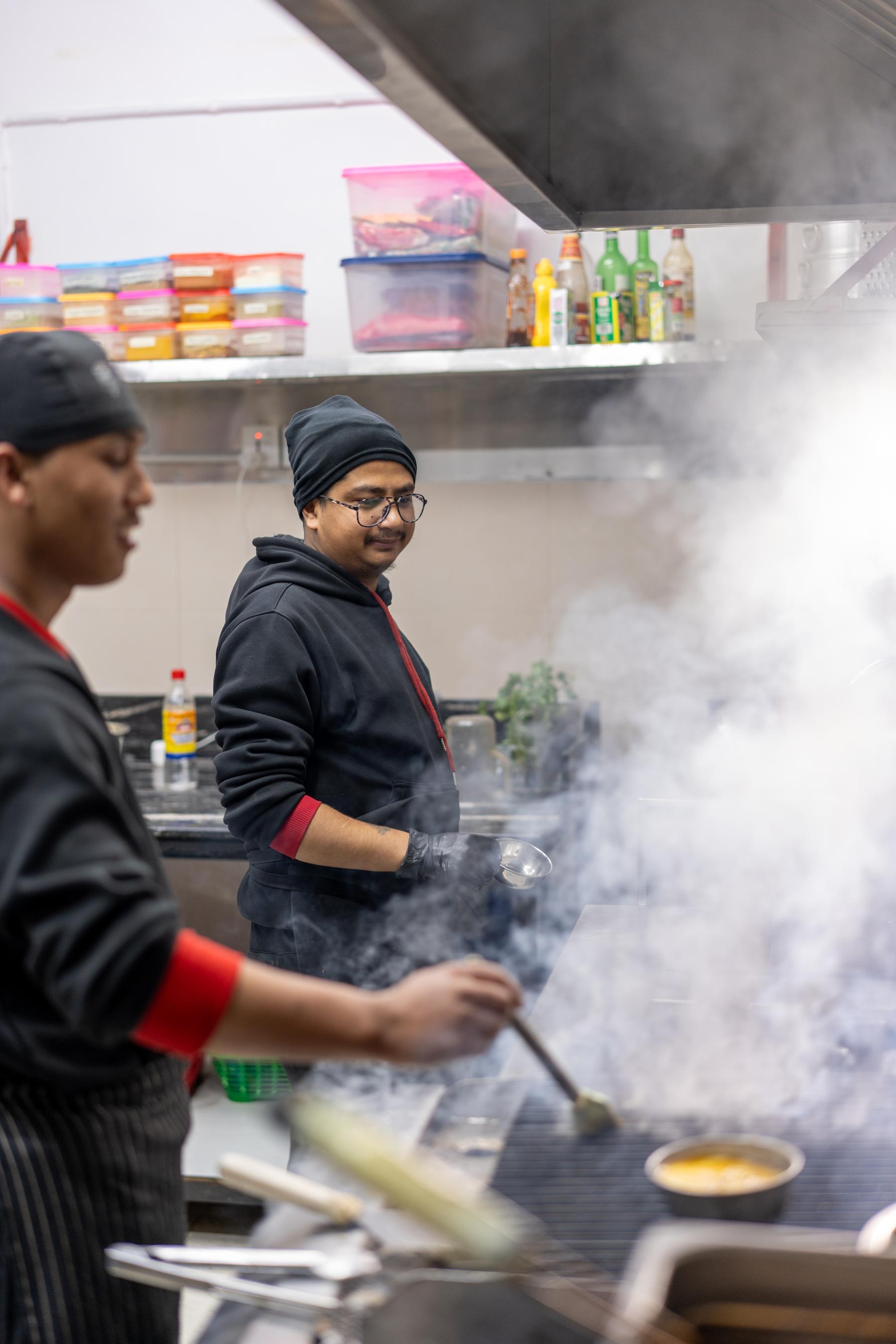
That was the moment I felt my chest relax. Not just because the order was finally right, but because I had proven something to myself. I could have walked away. I could have let my anger take over. But I didn't. I stayed, I breathed, and I tried again.
That day taught me something important. Cooking is not just about food. It's also about control — of your hands, your mind, and your emotions. Anyone can cook when things are easy. But the real test is what you do when things go wrong. When the pressure builds. When you feel like giving up.
Now when the kitchen gets loud and orders come back, I remember that day. I remember how close I was to breaking. And I remember that I didn't.
I didn't throw the pan. I didn't quit. I stayed in the kitchen.
And that's how I learned to handle pressure — one failed burger at a time.
That burger order didn't just teach me patience — it taught me patience, responsibility, and the importance of staying calm when everything feels like it's falling apart.
That's the difference between someone who cooks and someone who leads a kitchen. And I'm grateful I learned it before it was too late.
You May Also Like
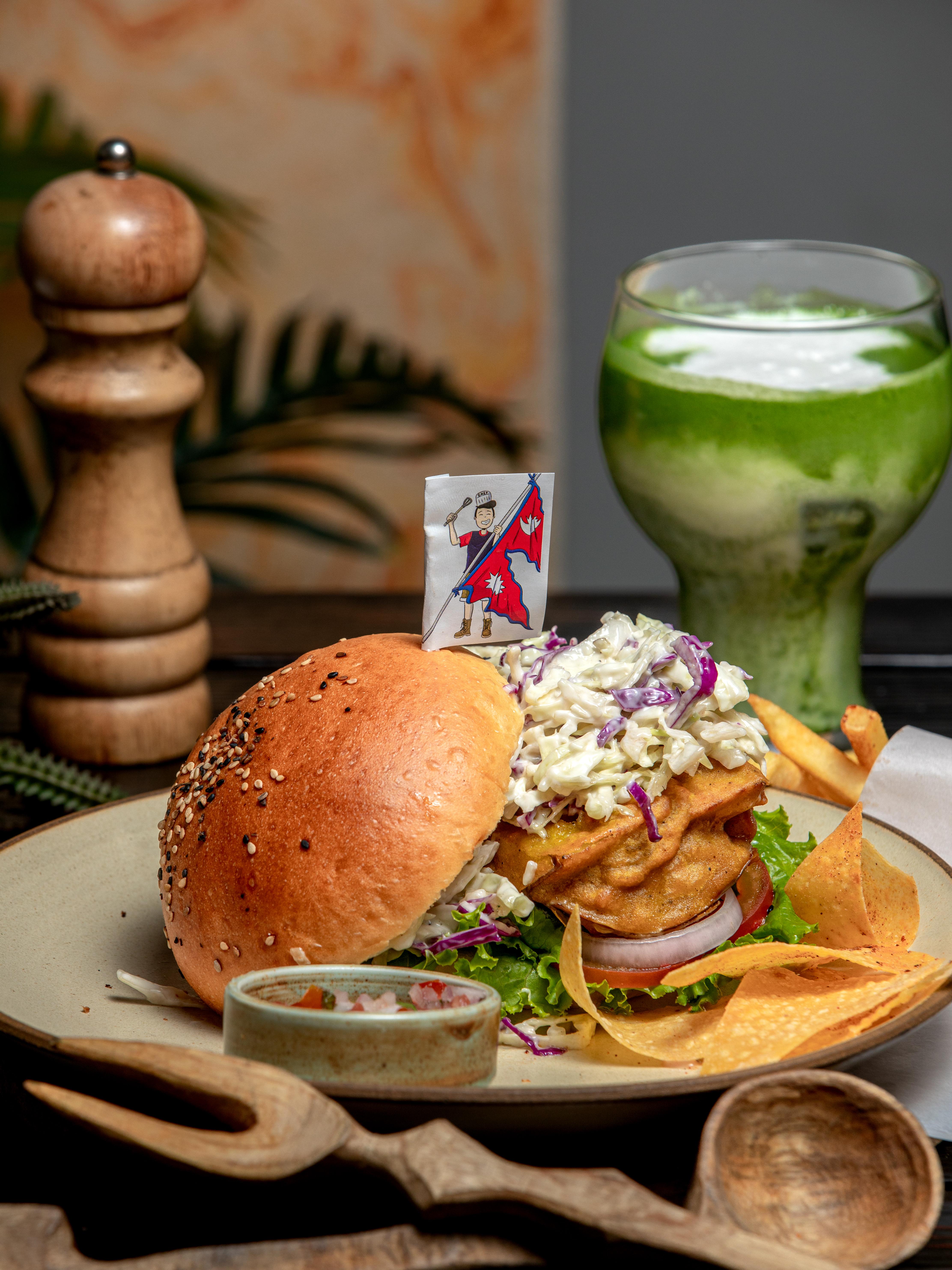
The Secret Behind Our Perfectly Juicy Burgers
A great burger isn’t just about stacking ingredients—it’s about mastering the perfect bite. At T’s Your Palate, we take pride in crafting juicy, flavo...
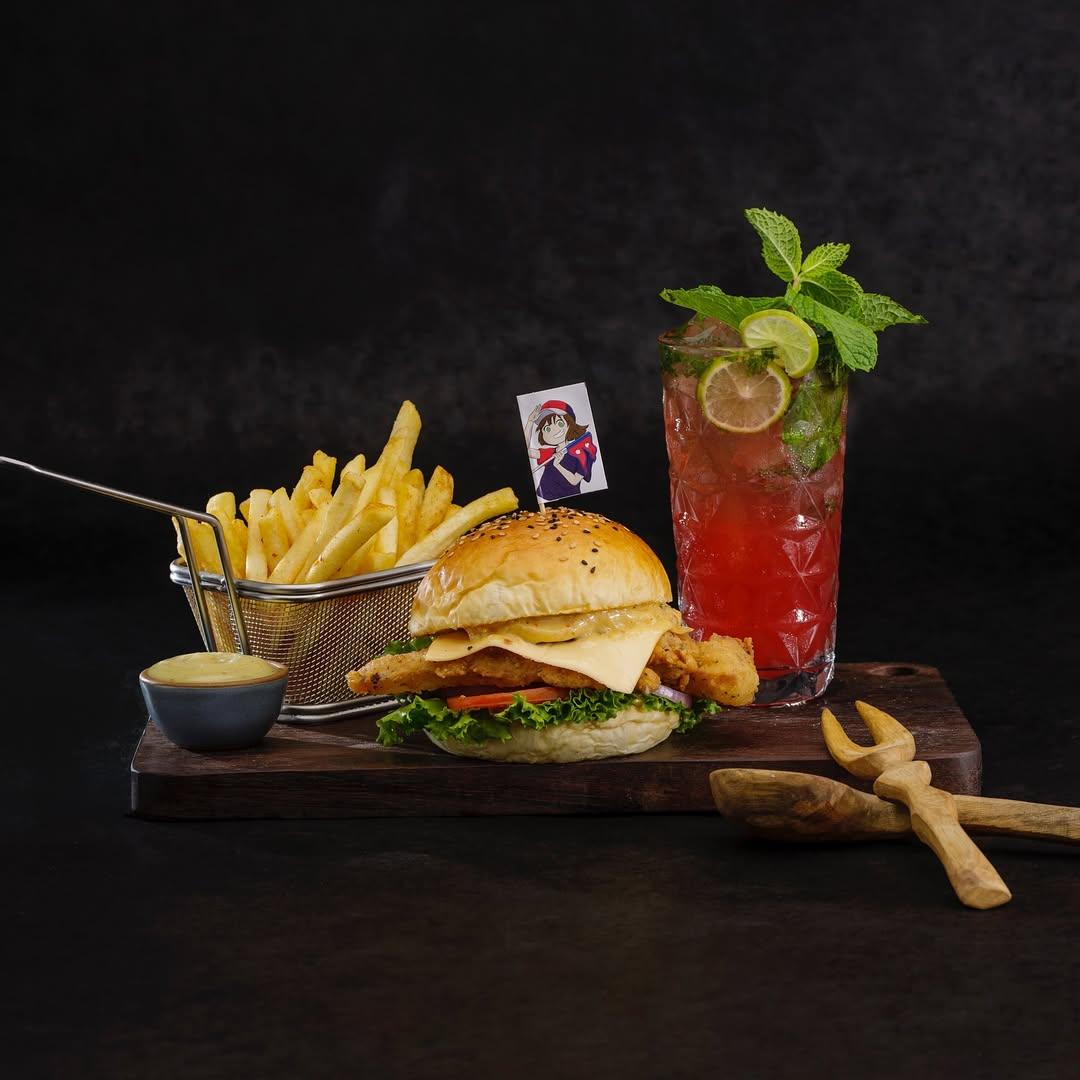
T’s Your Palate: Serving the best burgers in K-town
The first thing that comes to mind when we think of a good burger is a juicy patty that’s cooked perfectly, topped with just the right amount of veggi...